
Storm Damage in the Lowcountry: What Homeowners Often Miss Before Filing an Insurance Claim
What Homeowners Often Miss After a Coastal Storm Moves Through the Lowcountry
After a strong coastal storm moves through Hilton Head, Bluffton, Beaufort, or the surrounding Lowcountry, most homeowners look for the obvious signs of damage first. Missing shingles, fallen tree limbs, and visible roof problems tend to get immediate attention.
What often gets overlooked are the exterior systems responsible for protecting the home from water intrusion. Gutters, downspouts, fascia boards, soffits, and drainage systems frequently absorb storm damage that is much harder to spot from the ground.
At Carolina Seamless Gutters, post-storm inspections often reveal issues that homeowners never realized existed until water begins showing up where it should not.
Why Gutter and Drainage Damage Is Easy To Miss
Storm damage does not always leave dramatic evidence behind. Heavy rain, strong wind, and flying debris can affect gutters and drainage systems in subtle ways that gradually create larger problems.
A gutter may pull slightly away from the fascia. A downspout may become loose or partially blocked with debris. Sections of the system can lose their proper slope, causing water to sit in the gutter rather than flow away from the home.
These issues may seem minor immediately after a storm, but they can significantly impact how well the entire water management system performs during future rain events.
How Small Exterior Problems Can Lead To Bigger Repairs
Gutters, fascia boards, soffits, and downspouts are designed to work together. When one component is damaged, the rest of the system often feels the effects.
Water overflowing from a damaged gutter can repeatedly soak fascia boards and soffits. Downspouts that fail to direct water away from the foundation can create drainage problems around the property. Over time, constant moisture exposure may contribute to wood rot, erosion, and deterioration of exterior materials.
In the Lowcountry’s humid climate, these problems rarely improve on their own.
Why Documentation Matters After a Storm
Even when damage appears minor, it is a good idea to document the condition of your home’s exterior systems after severe weather.
Photographs of gutters, downspouts, fascia boards, soffits, and drainage areas can provide a useful record if additional issues become apparent later. Professional inspections can also help identify damage that may not be visible from the ground.
In some situations, homeowners may eventually have questions about insurance coverage for storm-related repairs. According to Ben Shelton of Shelton Law Firm, coastal insurance claims can become complex when multiple types of damage occur at once. Shelton notes that separate policies for wind, flood, and standard homeowners coverage can create disputes over which policy applies and what repairs each covers.
Regardless of insurance considerations, accurately identifying and documenting exterior damage early is one of the most important steps homeowners can take.
Fascia and Soffit Damage Often Starts With Water
Many homeowners do not think about their fascia and soffits until visible damage appears. By that point, moisture may have been affecting these areas for months.
Storm-damaged gutters can allow water to flow behind the gutter system and onto nearby wood components. Repeated exposure to moisture can weaken fascia boards and create conditions that encourage deterioration over time.
A thorough inspection after a major storm can help uncover these issues before they become more expensive repairs.
Debris Can Reduce Gutter Performance
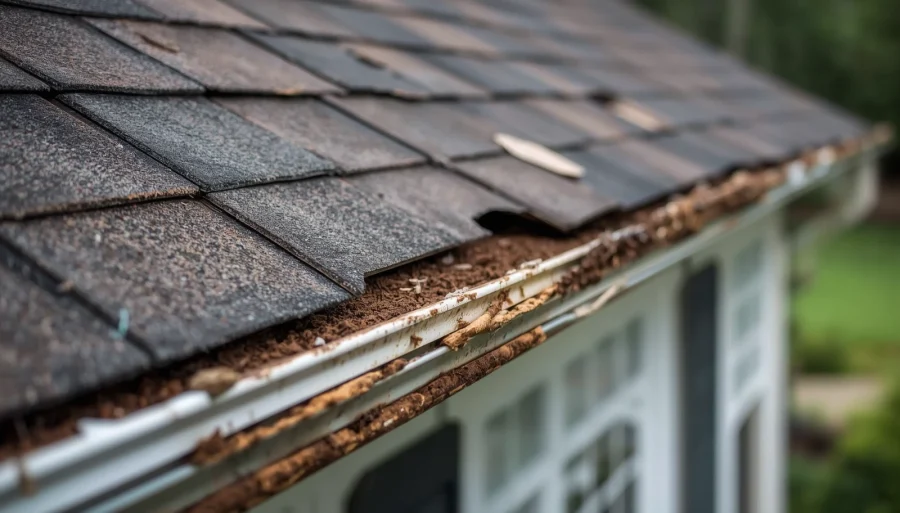
Lowcountry storms often leave behind leaves, pine needles, twigs, and roofing granules that collect inside gutters and downspouts.
Even when the gutter system itself remains structurally sound, debris can prevent proper water flow. Blocked gutters are more likely to overflow during future rainstorms, sending water toward areas that were never designed to handle excessive moisture.
Regular gutter cleaning after severe weather helps restore proper drainage and protects surrounding exterior components.
Why Drainage Around the Home Matters
The job of a gutter system does not end at the roofline. Downspouts and drainage pathways play an important role in moving water safely away from the home.
When storm damage affects drainage performance, water can begin pooling near foundations, landscaping, walkways, and other vulnerable areas. Over time, poor drainage can contribute to erosion and additional property maintenance concerns.
Ensuring water is properly directed away from the structure remains one of the most important parts of protecting any Lowcountry home.
Catching Problems Early Protects Your Home
One of the most common findings during post-storm inspections is damage that homeowners simply could not see from the ground. Loose gutters, hidden fascia damage, compromised soffits, and drainage issues often remain unnoticed until signs of moisture begin appearing elsewhere on the property.
Addressing these issues early helps prevent additional damage and extends the life of the home’s exterior systems.
Schedule a Post-Storm Inspection With Carolina Seamless Gutters
Living in coastal South Carolina means homes are regularly exposed to heavy rain, strong winds, humidity, and long storm seasons. These conditions place constant stress on gutters, downspouts, fascia boards, soffits, and drainage systems throughout the year.
If your property has recently experienced severe weather, Carolina Seamless Gutters can help identify storm-related issues before they develop into larger problems. A professional post-storm inspection can uncover hidden damage, restore proper water management, and help protect your home from future moisture-related repairs.
Contact Carolina Seamless Gutters today to schedule a post-storm gutter and drainage inspection for your Lowcountry home.